


Facial deformity
- Home
- /
- Facial deformity
Facial Deformity – Understanding & Correcting Imbalance
What is Facial deformity?
Facial deformity, also called facial asymmetry, refers to an uneven appearance of the face. It can be present from birth (congenital) or develop later due to injury, nerve damage, paralysis, or medical conditions. In many cases, it affects confidence and may interfere with speech, eating, or eye function.
Common Causes
Congenital Conditions – Cleft lip/palate, birth defects
Facial Paralysis (Bell’s Palsy or Post-stroke)
Trauma or injury to facial bones
Tumors or infections
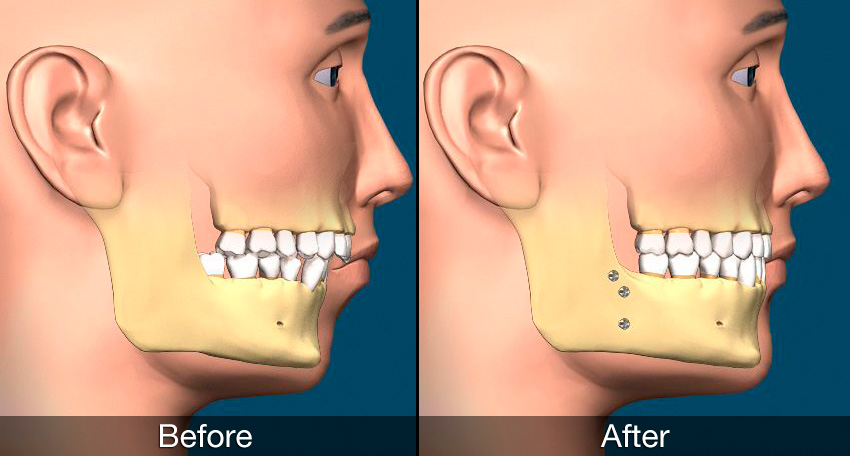
Dental malocclusion or jaw deformities
Nerve damage after surgery
Developmental imbalances during growth
How Physiotherapy Helps
Our physiotherapists use targeted techniques to stimulate weakened facial muscles, reduce stiffness, and improve coordination between muscle groups.
🔹 Treatment Includes:
✅ Facial Muscle Strengthening: Guided exercises to activate weak muscles
✅ Neuromuscular Re-education: Restore nerve-muscle communication
✅ Massage Therapy: Improve blood circulation and reduce tightness
✅ Electrical Stimulation (if required): For nerve stimulation and muscle response
✅ Mirror Therapy & Biofeedback: To retrain symmetry and expression
✅ Post-Surgery Rehab: Support after facial surgeries to improve healing and mobility
✅ Speech & Swallow Support: If facial deformity affects jaw or tongue movement
Benefits of Physiotherapy for Facial Deformities
Restores facial symmetry and expressions
Improves smile, blinking, and other facial movements
Reduces muscle tightness and facial drooping
Boosts confidence and emotional well-being
Enhances quality of life and social interaction
Who Can Benefit?
Physiotherapy is beneficial for:
Individuals with partial or complete facial paralysis
Patients recovering from stroke or brain injury
Children or adults with congenital deformities
People with facial disfigurement due to trauma or surgery
Anyone with reduced facial muscle control or expression issues
When to Seek Help?
Sudden drooping of the face, eyelid, or mouth
Difficulty in closing the eye or smiling
Speech or chewing difficulties
Persistent facial pain or swelling
Deformity affecting daily activities or self-confidence
Why Choose Ananta Ayush Hospital?
Our integrated approach using Ayurveda, Panchakarma, and Homeopathy focuses on:
Restoring nerve and muscle function naturally
Reducing asymmetry and improving facial tone
Customized therapies for post-paralysis, trauma, and congenital deformities
Safe, side-effect-free solutions for all ages
