


Paralysis
- Home
- /
- Paralysis
Paralysis – Loss of Muscle Function
What is Paralysis?
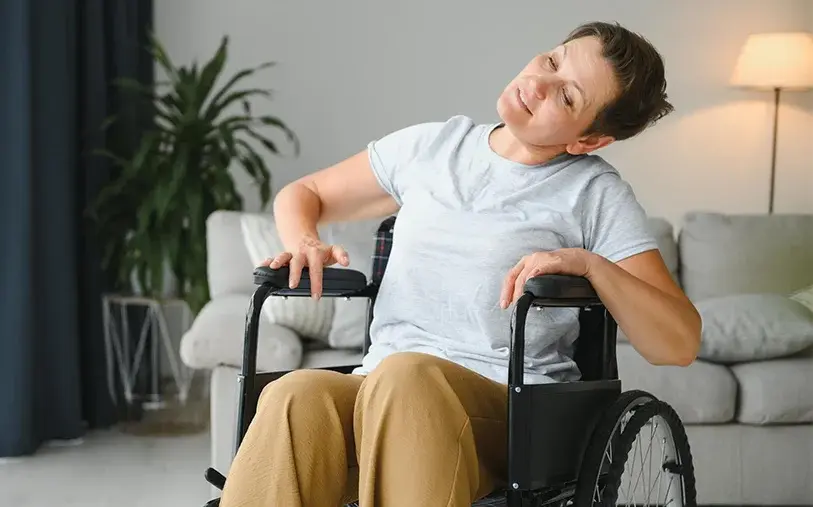
Paralysis is the loss of muscle function in part of your body, typically caused by damage to the nervous system. It can affect one side (hemiplegia), both sides (paraplegia/quadriplegia), or specific areas like the face or limbs. Paralysis may be temporary or permanent, partial or complete, depending on the severity of nerve damage.
Common Symptoms
Sudden numbness or weakness in limbs
Loss of coordination and balance
Difficulty speaking or swallowing
Drooping of the face or eyelid
Inability to move part of the body
Muscle stiffness or flaccidity
Common Causes of Paralysis
Stroke (brain attack) – most common cause
Brain or spinal cord injury
Nerve diseases (e.g., Multiple sclerosis)
Bell’s palsy (facial paralysis)
Guillain-Barré syndrome
Tumors affecting the nervous system
Infections or inflammation of nerves
Panchakarma Therapy for Paralysis: Deep Nervous System Rejuvenation
Panchakarma is Ayurveda’s most advanced detox and rejuvenation therapy. It helps remove blockages in the nervous system, balances doshas, stimulates nerve regeneration, and improves muscle coordination.
🔹 Key Panchakarma Therapies for Paralysis:
1. Abhyanga (Full Body Oil Massage):
Warm, medicated oils are massaged over the body to stimulate nerve endings, improve blood flow, and nourish the tissues.
2. Pizhichil (Oil Bath Therapy):
Continuous pouring of warm herbal oil over the body while performing synchronized massage. Extremely beneficial in neuro-muscular disorders.
3. Shirodhara (Oil Dripping on Forehead):
Medicated oil poured over the forehead in a rhythmic stream to calm the nervous system, reduce anxiety, and improve brain functions.
4. Basti (Medicated Enema):
Most effective for Vata disorders. Herbal decoctions or oils are administered through the rectum to regulate Vata and detox the colon.
5. Nasya (Nasal Therapy):
Administering medicated oils through the nostrils to stimulate brain activity and improve coordination.
6. Nadi Sweda (Localized Steam Therapy):
Herbal steam applied to specific body parts to relieve stiffness, improve circulation, and restore motor functions.
7. Shirovasti & Shiro Abhyanga:
Local oil therapies to enhance brain-nervous system coordination and reduce neurotoxicity.
Supportive Ayurvedic Medicines & Herbs:
Ashwagandha – Strengthens nerves and muscles
Bala (Sida cordifolia) – Improves muscle tone and strength
Brahmi & Shankhpushpi – Boosts cognitive and nerve function
Dashmool & Rasnadi Kwath – Reduces inflammation
Ksheerbala Taila, Dhanwantaram Taila – Used in external and internal treatments
Benefits of Panchakarma in Paralysis:
Stimulates nerve regeneration and improves muscle control
Improves blood circulation to the affected parts
Reduces stiffness, spasms, and immobility
Balances Vata dosha and calms the nervous system
Enhances speech, mobility, and cognitive function
Helps in faster rehabilitation and recovery post-stroke
Rehabilitation is Key
In both systems, consistent therapy, exercise, and lifestyle changes are crucial. Recovery may take weeks to months and varies based on the extent of damage. Ayurveda and Homeopathy aim to support natural healing, reduce dependency, and improve quality of life.
